Understanding the Different Rounds in a Beauty Pageant
By Rita Gangwani on Sep 05, 2026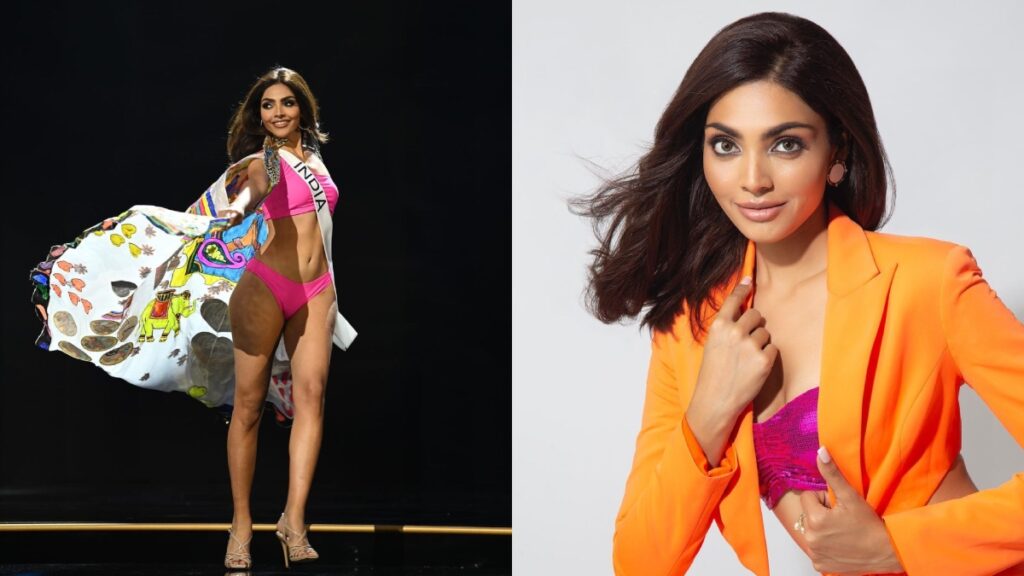
Beauty pageants today are about much more than appearance. Contestants are often evaluated on a combination of confidence, communication, personality, intelligence, stage presence, grooming, talent and the ability to represent a title with authenticity. The exact format differs from one pageant to another, but most competitions use a series of rounds to understand different aspects of a contestant’s personality and potential.
1. Personal Interview
The personal interview is often one of the most important rounds because it allows the judges to meet the person behind the stage presentation.
Questions may cover:
Personal background
Education and career
Goals and ambitions
Values and beliefs
Social causes
Current affairs
Strengths and challenges
Judges generally observe clarity of thought, communication skills, confidence, authenticity and composure. A contestant does not need to have the “perfect” opinion; she needs to communicate her thoughts with honesty and confidence.
2. Introduction Round
The introduction is usually a contestant’s first opportunity to establish her identity.
A strong introduction may include:
Name
Place of origin
Profession or background
A defining quality
Purpose or personal message
The objective is not to recite a résumé. A good introduction should give the judges one memorable reason to want to know more about the contestant.
3. Fitness, Sportswear or Swimwear Round
Depending on the pageant format and category, contestants may participate in fitness wear, sportswear, activewear or swimwear.
This round is not simply about physical appearance. Judges may observe:
Fitness
Posture
Confidence
Energy
Walk
Body language
Grooming
Overall stage presence
The most important quality is often confidence in movement rather than a particular body type.
4. Evening Gown Round
The evening gown round evaluates elegance, poise and presentation.
Judges may look at:
Choice and fit of the gown
Posture and carriage
Grace of movement
Facial expression
Confidence
Stage presence
Overall styling
The gown should enhance the contestant’s personality rather than overpower it. Fit, comfort and the ability to carry the outfit confidently are usually more important than simply choosing an expensive dress.
5. Question and Answer Round
The question-and-answer round tests how well a contestant can think and communicate under pressure.
Questions may be:
Personal
Opinion-based
Social
Current affairs
Hypothetical
Cause-related
A strong answer is usually clear, concise, relevant and well-structured. Judges are also observing composure, diplomacy and the contestant’s ability to communicate naturally.
6. Talent Round
Some pageants include a talent competition where contestants can showcase an individual skill.
This might include:
Singing
Dancing
Acting
Instrumental music
Public speaking
Creative performance
Other specialised abilities
Talent rounds allow contestants to demonstrate personality, preparation, discipline and stage confidence.
7. Cultural or Traditional Wear
Cultural rounds give contestants an opportunity to represent heritage, tradition and identity.
The focus should not only be on the costume itself. A contestant should understand:
What the attire represents
Its cultural significance
The story behind it
How to present it confidently
The strongest presentations combine knowledge, pride and stage presence.
8. Social Cause or Advocacy Round
Many modern pageants give considerable importance to social impact.
Contestants may be expected to speak about:
A cause they support
Why it matters to them
Work they have already undertaken
The people they hope to help
How they would use the pageant platform
Judges are usually looking for genuine involvement rather than a cause selected merely for competition. Modern pageants increasingly evaluate community involvement, intelligence and the depth of a contestant’s commitment to a particular issue.
9. Ramp, Fashion or Modelling Round
Some competitions include a runway, fashion or modelling segment.
This may assess:
Walk
Posture
Turns
Expression
Camera awareness
Confidence
Ability to carry different styles
The objective is not simply to walk beautifully, but to demonstrate command of the stage.
10. Overall Personality and Conduct
One of the most overlooked aspects of pageantry is that contestants may be observed even when they are not on stage.
Behaviour during rehearsals, interactions with fellow contestants, punctuality, manners, respect for organisers and the way a contestant responds under pressure can contribute to the overall impression she creates.
Judges commonly value qualities such as confidence, poise, articulation, friendliness, professionalism and authenticity.
Every Pageant Is Different
There is no universal set of rounds followed by every beauty pageant. Some competitions may focus heavily on interviews and advocacy, while others may include talent, fitness, modelling, cultural presentation or multimedia challenges.
That is why preparation should go beyond learning a particular walk or memorising answers.
A well-prepared contestant develops four fundamental strengths:
Walk. Voice. Mind. Manner.
Because rounds may change from one competition to another, but confidence, communication, authenticity and presence remain essential everywhere.
A beauty pageant is not simply about looking beautiful on stage. It is an opportunity to demonstrate who you are, how you think, how you communicate and what you can represent.
The crown may be awarded on the final night, but the impression that earns it is often being created long before the contestant ever reaches that stage.