All posts by admin

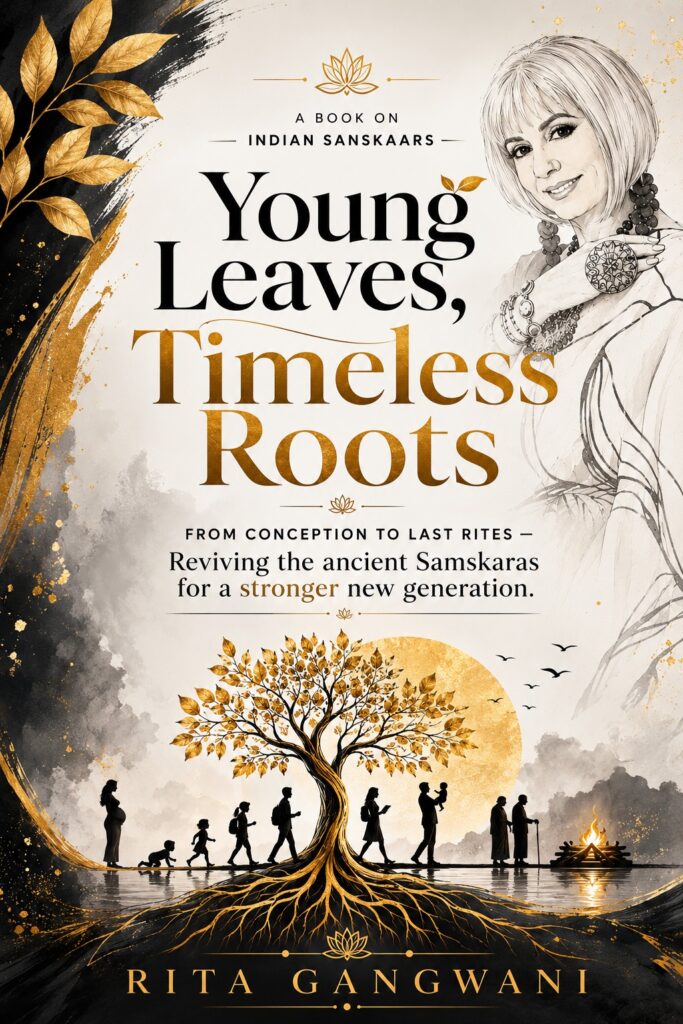
**Rita Gangwani** is a leading personality transformation mentor, executive coach, corporate trainer, pageant coach, author and motivational speaker, known for creating powerful transformation in confidence, communication, leadership presence and personal impact. A former Indian Armed Forces officer and founder of RIGAHAUS, Rita works extensively with corporates, senior professionals, leaders, management students and institutions, helping them strengthen executive presence, professional grooming, communication, body language, leadership skills, etiquette, personal branding and the ability to influence with confidence and credibility. She is also one of India’s most respected names in pageantry and the only pageant coach honoured by the World Book of Records for mentoring aspirants across an extraordinary range of categories, from Miss, Mrs and Mr to Plus Size, Transgender, Deaf, Blind, Wheelchair and Cancer Survivor pageants. An accomplished author, Rita wrote the bestselling ***Beauty Pageants Greenroom***, with a foreword by former Miss Universe **Sushmita Sen**. She is also the author of ***Young Leaves, Timeless Roots***, a book dedicated to bringing the richness of **Indian sanskaars, values and timeless wisdom** to a younger generation in a contemporary and relatable way. A pageant winner herself, Rita was crowned **Himachal Queen 1982** and **Mrs. Supreme Universe 2019**. Lovingly known as **“GURUCOOL”**, Rita combines military discipline, corporate insight, pageant expertise and deeply rooted Indian values to help people become **confident, polished, powerful and purpose-driven versions of themselves**. Her philosophy: “Be a stiletto in a room full of flats.”

Understanding the Different Rounds in a Beauty Pageant

Beauty pageants today are about much more than appearance. Contestants are often evaluated on a combination of confidence, communication, personality, intelligence, stage presence, grooming, talent and the ability to represent a title with authenticity. The exact format differs from one pageant to another, but most competitions use a series of rounds to understand different aspects of a contestant’s personality and potential.

1. Personal Interview

The personal interview is often one of the most important rounds because it allows the judges to meet the person behind the stage presentation.

Questions may cover:

Personal background
Education and career
Goals and ambitions
Values and beliefs
Social causes
Current affairs
Strengths and challenges

Judges generally observe clarity of thought, communication skills, confidence, authenticity and composure. A contestant does not need to have the “perfect” opinion; she needs to communicate her thoughts with honesty and confidence.

2. Introduction Round

The introduction is usually a contestant’s first opportunity to establish her identity.

A strong introduction may include:

Name
Place of origin
Profession or background
A defining quality
Purpose or personal message

The objective is not to recite a résumé. A good introduction should give the judges one memorable reason to want to know more about the contestant.

3. Fitness, Sportswear or Swimwear Round

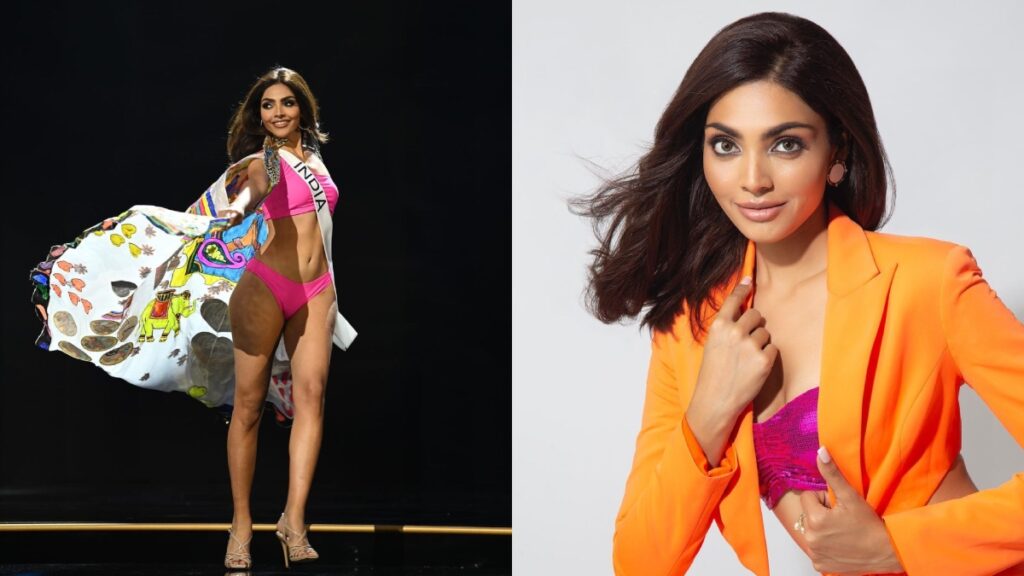
Depending on the pageant format and category, contestants may participate in fitness wear, sportswear, activewear or swimwear.

This round is not simply about physical appearance. Judges may observe:

Fitness
Posture
Confidence
Energy
Walk
Body language
Grooming
Overall stage presence

The most important quality is often confidence in movement rather than a particular body type.

4. Evening Gown Round

The evening gown round evaluates elegance, poise and presentation.

Judges may look at:

Choice and fit of the gown
Posture and carriage
Grace of movement
Facial expression
Confidence
Stage presence
Overall styling

The gown should enhance the contestant’s personality rather than overpower it. Fit, comfort and the ability to carry the outfit confidently are usually more important than simply choosing an expensive dress.

5. Question and Answer Round

The question-and-answer round tests how well a contestant can think and communicate under pressure.

Questions may be:

Personal
Opinion-based
Social
Current affairs
Hypothetical
Cause-related

A strong answer is usually clear, concise, relevant and well-structured. Judges are also observing composure, diplomacy and the contestant’s ability to communicate naturally.

6. Talent Round

Some pageants include a talent competition where contestants can showcase an individual skill.

This might include:

Singing
Dancing
Acting
Instrumental music
Public speaking
Creative performance
Other specialised abilities

Talent rounds allow contestants to demonstrate personality, preparation, discipline and stage confidence.

7. Cultural or Traditional Wear

Cultural rounds give contestants an opportunity to represent heritage, tradition and identity.

The focus should not only be on the costume itself. A contestant should understand:

What the attire represents
Its cultural significance
The story behind it
How to present it confidently

The strongest presentations combine knowledge, pride and stage presence.

8. Social Cause or Advocacy Round

Many modern pageants give considerable importance to social impact.

Contestants may be expected to speak about:

A cause they support
Why it matters to them
Work they have already undertaken
The people they hope to help
How they would use the pageant platform

Judges are usually looking for genuine involvement rather than a cause selected merely for competition. Modern pageants increasingly evaluate community involvement, intelligence and the depth of a contestant’s commitment to a particular issue.

9. Ramp, Fashion or Modelling Round

Some competitions include a runway, fashion or modelling segment.

This may assess:

Walk
Posture
Turns
Expression
Camera awareness
Confidence
Ability to carry different styles

The objective is not simply to walk beautifully, but to demonstrate command of the stage.

10. Overall Personality and Conduct

One of the most overlooked aspects of pageantry is that contestants may be observed even when they are not on stage.

Behaviour during rehearsals, interactions with fellow contestants, punctuality, manners, respect for organisers and the way a contestant responds under pressure can contribute to the overall impression she creates.

Judges commonly value qualities such as confidence, poise, articulation, friendliness, professionalism and authenticity.

Every Pageant Is Different

There is no universal set of rounds followed by every beauty pageant. Some competitions may focus heavily on interviews and advocacy, while others may include talent, fitness, modelling, cultural presentation or multimedia challenges.

That is why preparation should go beyond learning a particular walk or memorising answers.

A well-prepared contestant develops four fundamental strengths:

Walk. Voice. Mind. Manner.

Because rounds may change from one competition to another, but confidence, communication, authenticity and presence remain essential everywhere.

A beauty pageant is not simply about looking beautiful on stage. It is an opportunity to demonstrate who you are, how you think, how you communicate and what you can represent.

The crown may be awarded on the final night, but the impression that earns it is often being created long before the contestant ever reaches that stage.

Advantages of joining a pageant

Many ask this question. here is your answer.

1. Builds Self-Confidence

2. Improves Communication Skills

3. Develops Public Speaking Ability

4. Enhances Stage Presence

5. Improves Grooming and Personal Presentation

6. Teaches Etiquette and Manners

7. Builds Discipline

8. Encourages Fitness and Wellness

9. Strengthens Mental Toughness

10. Develops Emotional Maturity

11. Improves Body Language

12. Builds Interview Skills

13. Creates Awareness of Current Affairs

14. Helps Discover Personal Purpose

15. Builds Advocacy and Social Responsibility

16. Expands Networking Opportunities

17. Opens Career Opportunities

18. Builds Personal Branding

19. Improves Social Media Presence

20. Encourages Self-Discovery

21. Teaches Time Management

22. Improves Wardrobe and Styling Sense

23. Builds Camera Confidence

24. Develops Leadership Qualities

25. Builds Teamwork

26. Teaches Graceful Competition

27. Encourages Independence

28. Improves Decision-Making

29. Builds Resilience

30. Encourages Positive Self-Image

31. Provides Exposure

32. Builds Cultural Awareness

33. Encourages Community Service

34. Improves Professional Presence

35. Builds Courage

36. Helps Overcome Shyness

37. Improves Personality Development

38. Creates Lifelong Friendships

39. Builds Confidence in Appearance

40. Teaches How to Handle Criticism

41. Encourages Goal Setting

42. Improves Self-Discipline in Lifestyle

43. Develops Media Handling Skills

44. Helps Build a Strong Resume or Profile

45. Gives a Platform for Talent

46. Encourages Financial and Practical Planning

47. Develops Social Grace

48. Helps Build Self-Respect

49. Teaches Responsibility

50. Provides Opportunity for Personal Reinvention

51. Helps Build Influence

52. Encourages Inclusivity and Representation

53. Builds Confidence for Future Opportunities

54. Teaches How to Accept Success Gracefully

55. Teaches How to Accept Failure Gracefully

56. Strengthens Personal Identity

57. Develops Presentation Skills

58. Creates a Sense of Achievement

59. Helps Build a Positive Mindset

In a nut shell:-

  • Builds confidence.
  • Improves communication.
  • Develops public speaking.
  • Enhances stage presence.
  • Improves grooming.
  • Teaches etiquette.
  • Builds discipline.
  • Encourages fitness and wellness.
  • Strengthens mental toughness.
  • Builds emotional maturity.
  • Improves body language.
  • Develops interview skills.
  • Increases current affairs awareness.
  • Helps discover purpose.
  • Builds advocacy.
  • Expands networking.
  • Opens career opportunities.
  • Builds personal branding.
  • Improves social media presence.
  • Encourages self-discovery.
  • Teaches time management.
  • Improves styling sense.
  • Builds camera confidence.
  • Develops leadership.
  • Teaches teamwork.
  • Builds resilience.
  • Encourages independence.
  • Improves social grace.
  • Strengthens self-respect.
  • Creates lifelong growth.

Its a win – win situation!!

  • Joining a pageant is not only about winning a crown.
  • It is about becoming more confident, disciplined, polished and self-aware.
  • A pageant journey can improve the way you walk, speak, think, dress, behave and believe in yourself.
  • The crown is one outcome.
  • The real advantage is the transformation.
  • A contestant may enter for a title, but she often leaves with confidence, courage and a stronger identity.

Mastering the Pageant Interview: Your Winning Moment Begins Here


The interview room—where titles are truly won or lost…..The takeaway: There are no wrong answers if they’re spoken with clarity, purpose, and a touch of authenticity.

Feeling nervous about whether your answers will impress the judges? You’re not alone. The unpredictability of interview questions can feel overwhelming. You can rehearse a thousand times and still not guess the exact questions or sequence you’ll face. But here’s the good news:

There are few powerful strategies you can control to leave a lasting impression and walk out feeling like a queen.

🔸  Dress to express, not impress.: Your interview outfit should be an extension of your personality. It’s your silent introduction before you even speak a word. Choose something that complements your character, boosts your confidence, and flatters your features. Let your outfit narrate your story.

🔸  Look like your headshot—exactly.: The moment you walk into the room, judges will subconsciously match your face to the headshot they’ve been studying. If you look drastically different—whether due to lighting, editing, or styling—it creates a subtle disconnect. It may even lead to the unconscious thought: “Did she mislead us?”Avoid starting your interview on shaky ground. Choose a headshot that truly reflects how you look on a normal day—not necessarily your most glamorous photo. Then replicate that same look for the interview. Familiarity builds instant trust.

🔸Show self-awareness

When asked about weaknesses, avoid vague or cliché answers. Instead, name a real challenge and explain the steps you’re taking to grow

Example:
“I used to struggle with being overly self-critical. To overcome that, I started celebrating small wins and practicing mindfulness—today, I channel that energy into learning rather than doubt.”

🔸  Perfect your elevator pitch. :Think of the elevator pitch as a short, sharp summary of your story. You have 30 seconds—like a short elevator ride—to answer common questions like:“Tell us about yourself” “What’s your platform?” “Why do you want to win this title?” “What sets you apart from the others?” Your answers should be crisp, engaging, and complete enough that no follow-up is needed. Practice them out loud until they flow naturally.

🔸 Know your paperwork inside-out.Whether it’s a resume, platform statement, or personal bio, your paperwork is the judge’s first impression of you—and often the basis of their questions. Don’t get caught off-guard by something you wrote! For example, if your form mentions you collect inspiring quotes, be ready to share one. Print your submission and review it thoroughly, especially in the moments before your interview.

🔸 Stand out by being thoughtfully bold.For qestions like “Why should the judges pick you?”, avoid vague platitudes. Instead, share your vision and how winning would help you achieve it “I bring a unique perspective as someone who grew up organizing community clean-ups. Winning this title would empower me to launch a national eco‑education campaign in schools—something I’ve already started locally.”

🔸 If you go blank—own it and move on! : Pageant interviews aren’t pass/fail exams—they’re windows into your personality. If you forget a prepared answer or draw a blank, don’t freeze. Just choose the first genuine response that comes to mind and build on it with confidence.One contestant once blanked on a question about which woman should be featured on Indian currency. Her mind suddenly thought of Kalpana Chawla. Not her usual answer, but she rolled with it—explaining why Kalpana symbolised courage and inspiration—and won the room with her conviction.

🔸Use a structured method for unfamiliar questions

Not every question is expected—stay calm, relate it to your values, and answer thoughtfully. Judges look for insight and clarity, not rehearsed perfection

: Pause and breathe. Restate or frame the question (“If I understand you’re asking…”). Share your view. Support with a personal story.

Below are the most commonly asked questions in beauty pageants and how to approach them like a queen.


 1. “Tell us about yourself.”

Why it’s asked: To break the ice and see how well you know your own story.

How to answer:
Think of this as a 20-second “elevator pitch.” Stay light, engaging, and personal. Highlight your passions, achievements, values, and community involvement. It’s your chance to show the judges who’s behind the sash.

Quick tip: Choose 3–5 defining aspects of who you are, and wrap it up with a personal belief or mission.


 2. “What makes you, you?”

Also heard as: “What’s something unique about you?”

Why it’s asked: Judges want authenticity and individuality.

How to answer:
Share a unique perspective, personal quirk, or life story that reflects your character. Let them see the heart beneath the glamour. Focus on your journey and how it’s shaping your future.


 3. “Why should the judges choose you?”

Also heard as: “Why do you deserve to win?”

Why it’s asked: To assess self-awareness, confidence, and humility.

How to answer:
Speak genuinely about your vision, what you stand for, and how the title would amplify your purpose. Avoid clichés. Show, don’t tell. Mention how your values align with the pageant’s mission and how you will contribute as a titleholder.


 4. “Define feminism” / “What is the role of a modern woman?”

Why it’s asked: To explore your values and understanding of current gender issues.

How to answer:
Speak from experience. Talk about empowerment, equality, and the qualities you admire in women today. Emphasize leadership, compassion, and inclusion.


 5. “What’s one current issue you care deeply about?”

Also heard as: “What are your thoughts on [insert issue]?”

Why it’s asked: Judges want to see your awareness, opinions, and how you connect with the world.

How to answer:
Choose an issue you genuinely care about. Stay informed, and connect your views to a personal story if possible. Focus on hope, unity, and action. Avoid generic answers.


 6. “What’s your biggest weakness?”

Why it’s asked: To see your self-reflection and growth mindset.

How to answer:
Choose a real trait, but show how you’re actively improving. For example: “I used to fear public speaking, but joining debate club helped me turn that fear into my strength.”


 7. “Where do you see yourself in five years?”

Why it’s asked: To measure ambition, planning, and self-discipline.

How to answer:
Describe a meaningful vision for your future—be it education, career, or advocacy. Judges want to know you have purpose, direction, and the drive to achieve your dreams.


 8. “What’s one thing you love most about yourself?”

Why it’s asked: Confidence check!

How to answer:
Share a strength with humility—something that reflects both your personality and your values. Maybe it’s resilience, empathy, leadership, or your ability to connect with people.


 9. “What advice would you give your younger self?”

Why it’s asked: To reveal emotional growth and personal insight.

How to answer:
Be sincere. Reflect on a challenge you overcame or a truth you wish you’d known earlier. This is your chance to inspire others while showing maturity.


 10. “Who is your role model?”

Also heard as: “If you could meet any historical figure, who would it be and why?”

Why it’s asked: To learn about the qualities you admire and the values that shape you.

How to answer:
Choose someone who genuinely inspires you. Explain what you’ve learned from them and how you apply that in your life. Bonus points for a personal anecdote or a witty twist!


 11. “What’s the biggest problem in your community or country, and how would you solve it?”

Why it’s asked: To evaluate leadership potential and civic awareness.

How to answer:
Tie the issue to your platform or passion. Propose a constructive solution. Be honest but optimistic, showing that you’re both informed and hopeful.

Pageant interviews are not about giving the “perfect” answer—they’re about giving your answer. Be bold, be kind, be you. When your voice reflects your heart, you won’t just impress the judges—you’ll inspire the world. Because the crown doesn’t just go to the most beautiful… it goes to the most prepared.

My Protected Post

This content is protected. Right-clicking and text selection are disabled to prevent copying.